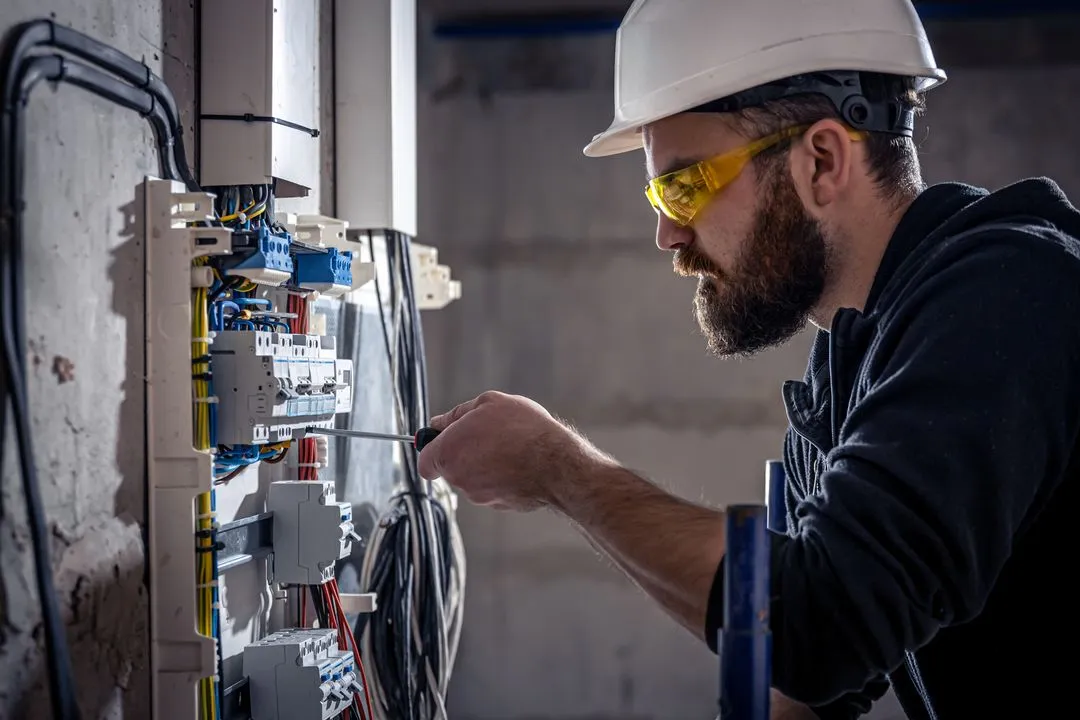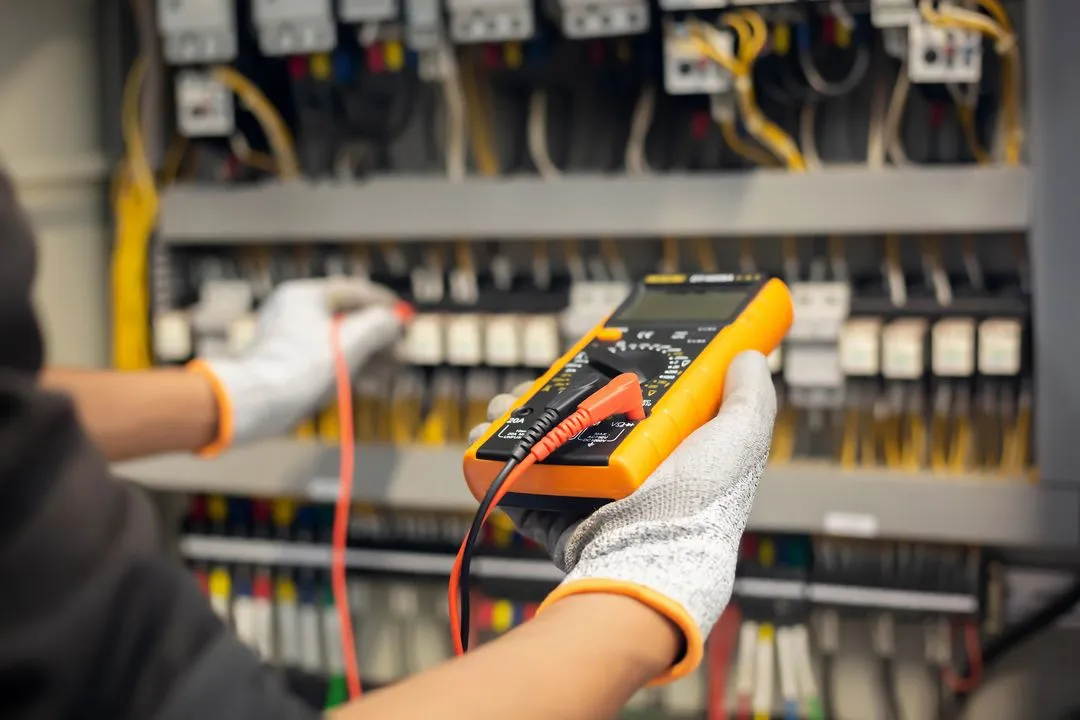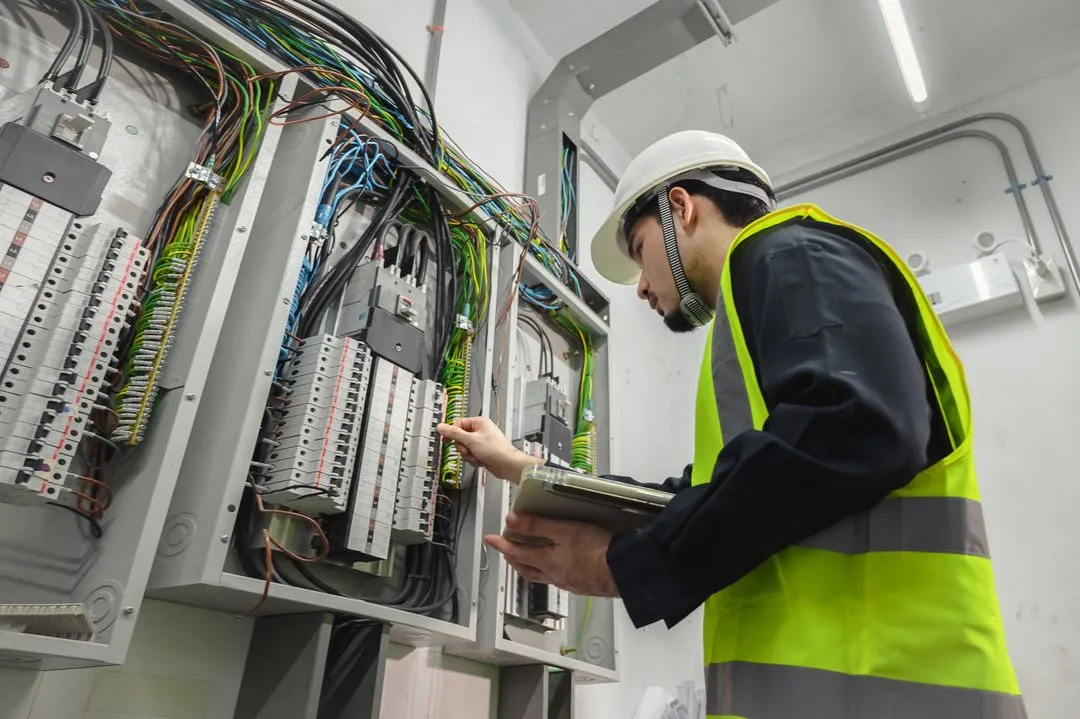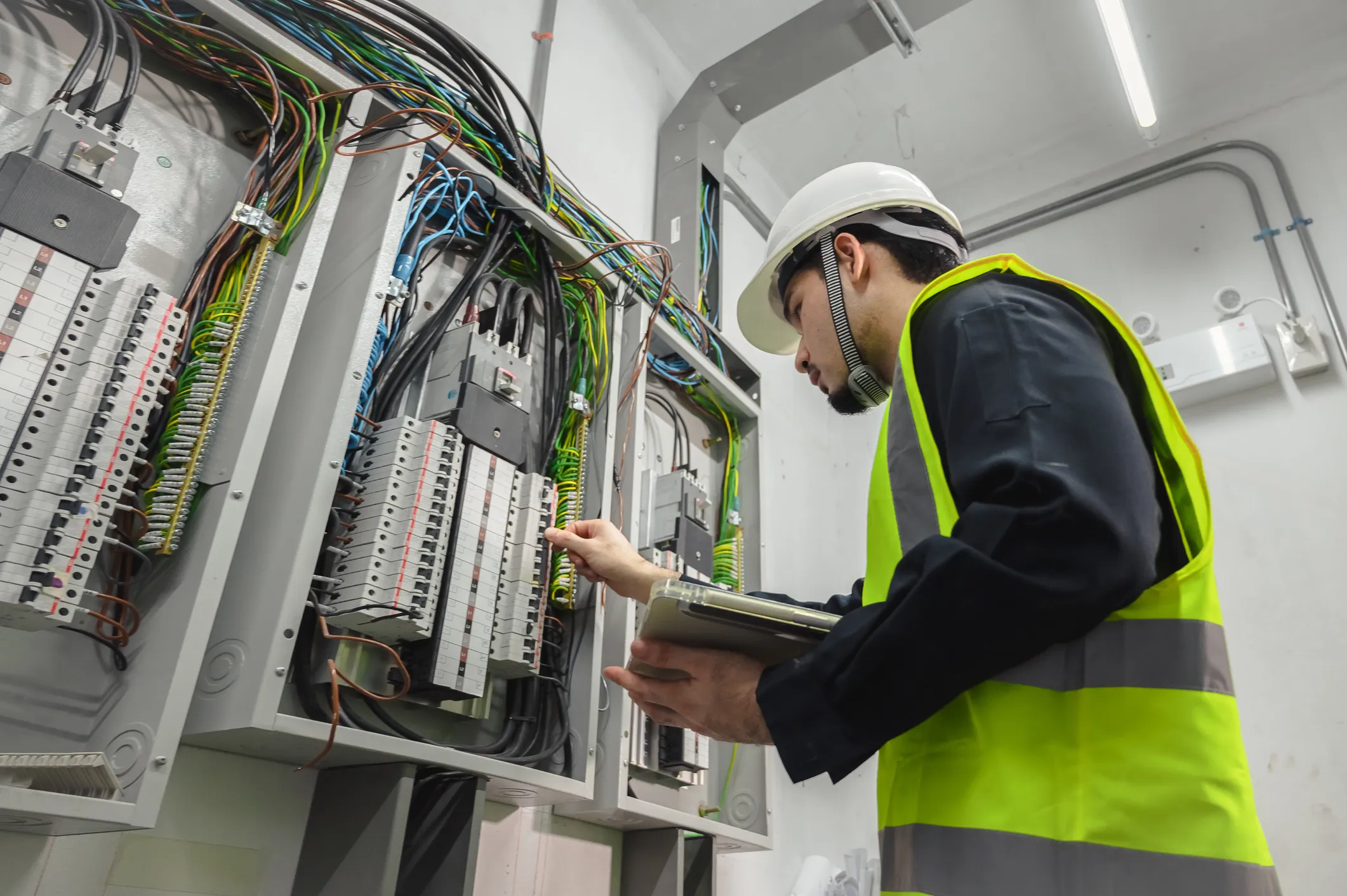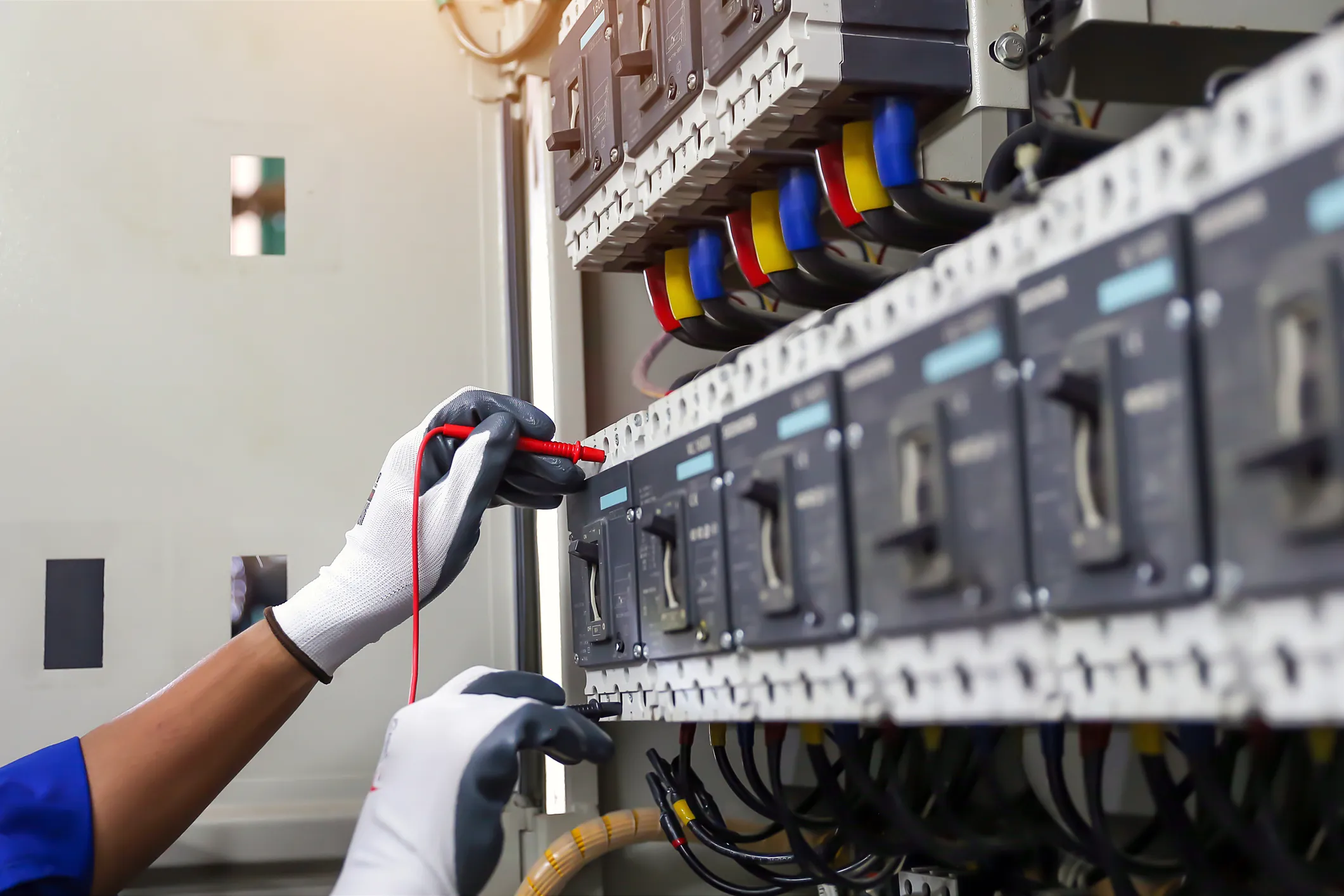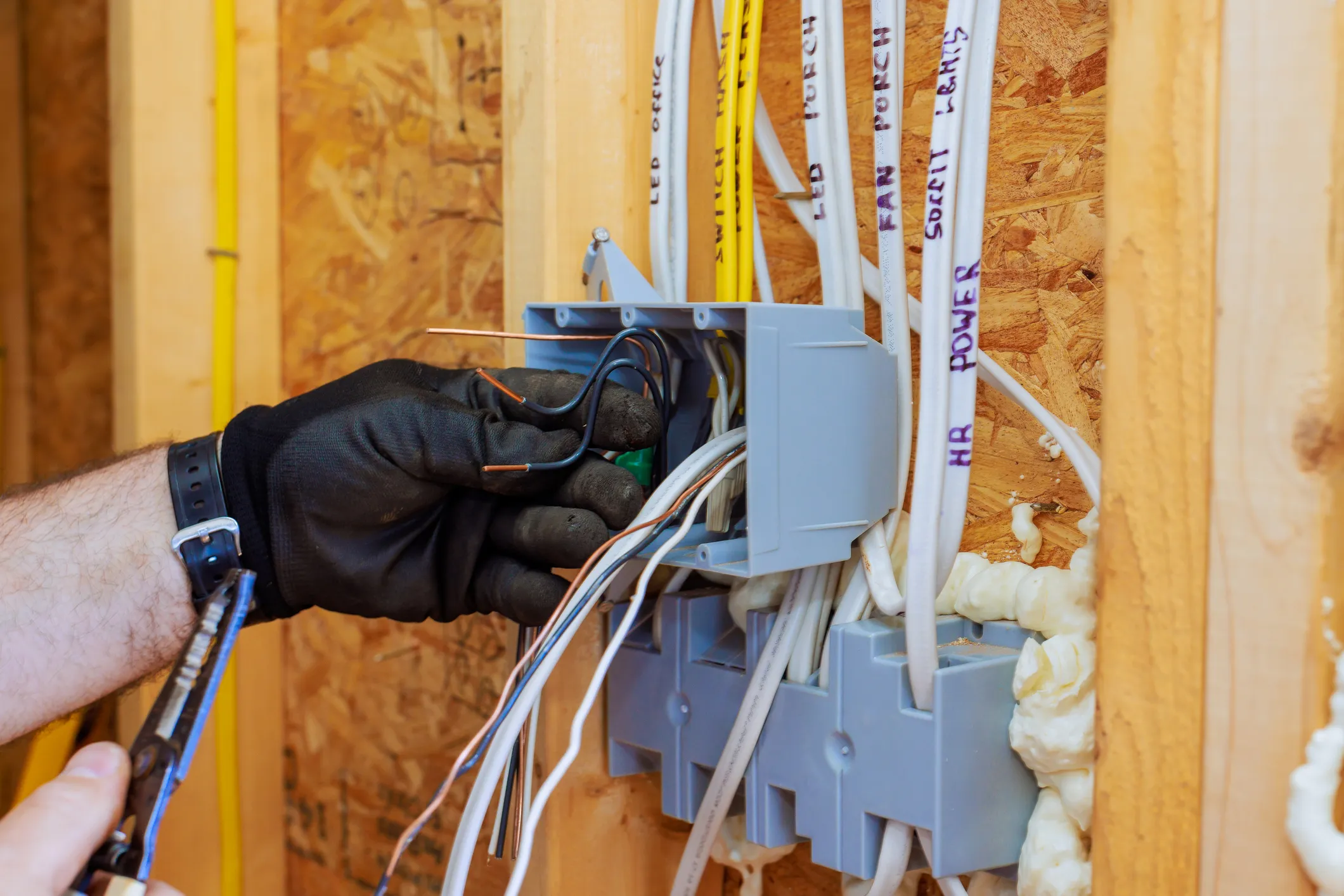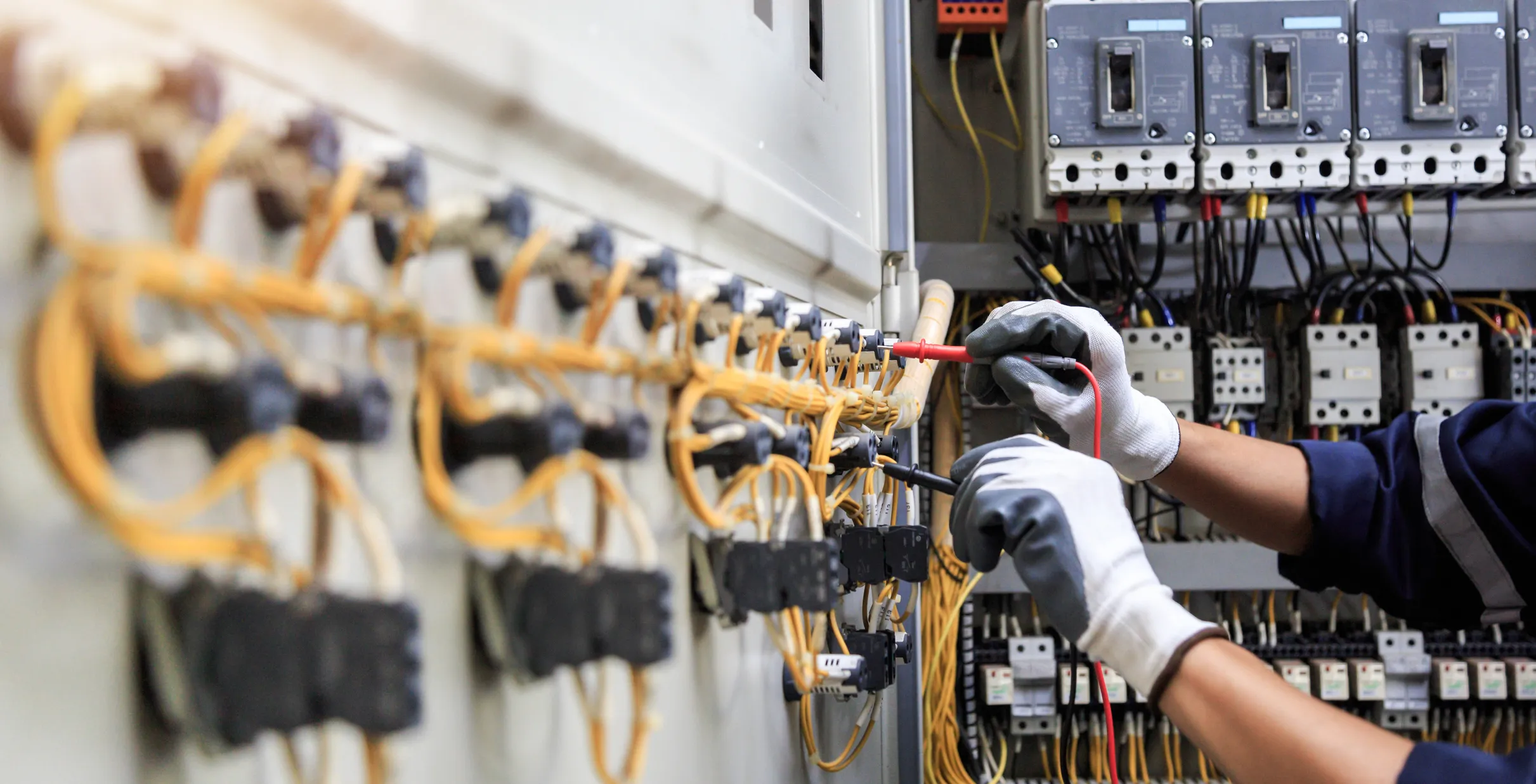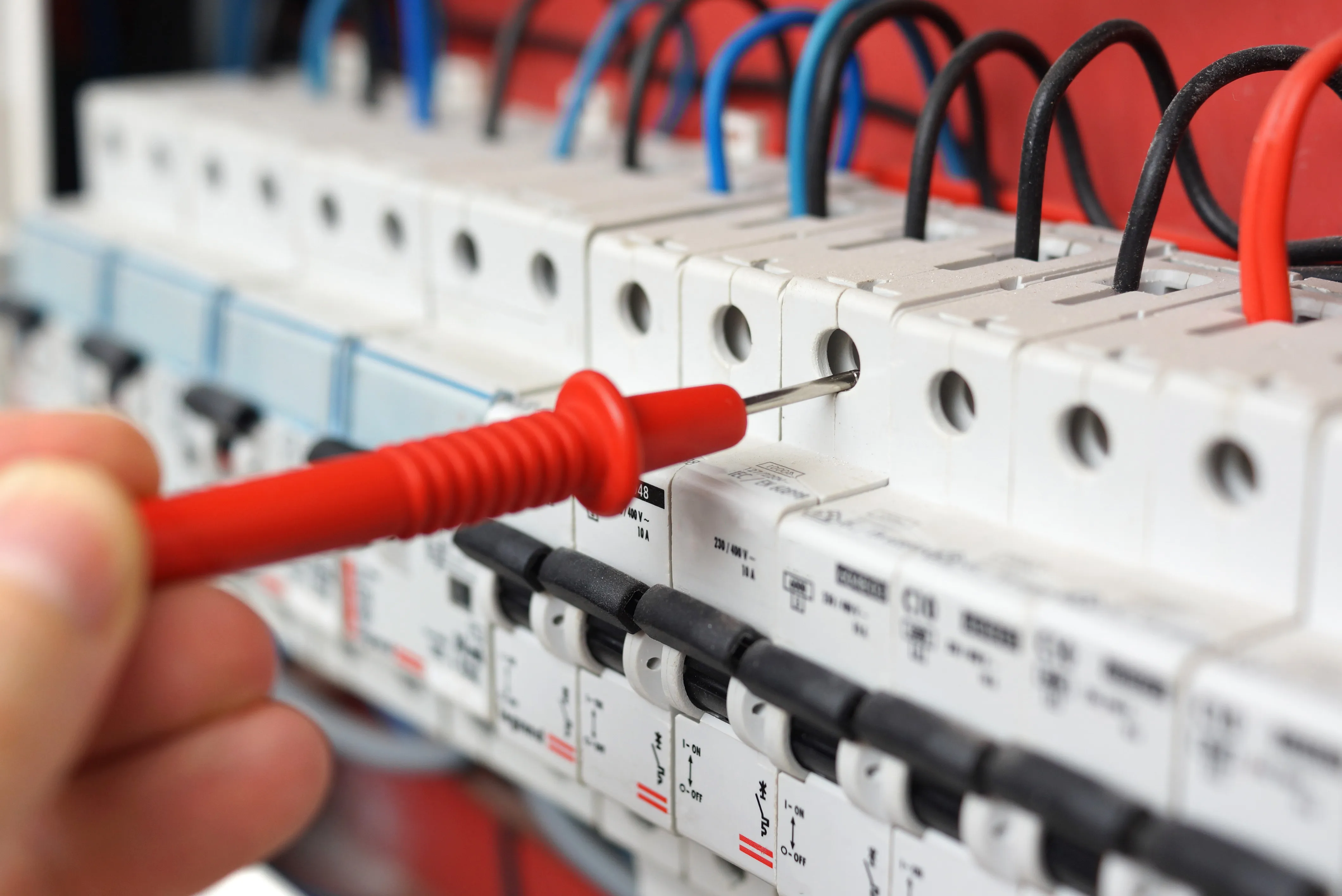


We run your books, job costs, and tax plan. You get the answers that make you money: which jobs paid, what to bid next, when to hire.
.svg)
Most accountants hand you a report and go quiet until April. You're left guessing which jobs made money and what the tax bill will be. Division 26 runs the money side for electrical shops in NC & SC. Clean books and smart tax moves are the baseline. The real product is answers: which jobs paid, what to bid next, when to hire. We'll even check a bid before it goes out, so you know the profit is real.
Get a Second Opinion!
Book a tax strategy call where we'll analyze your tax return & accounting to find opportunities to reduce taxes.
v2.svg)

Built for the trade. Priced for answers.

We plan before year-end, while the number can still change. Most shops we meet were leaving money on the table.
Your books close every month, coded to the right job. You see real margin, not a guess.
Bookkeeper, CPA, and CFO in one seat. Nothing falls between a preparer and a bookkeeper.
AI speeds up the bookkeeping. A licensed CPA makes the calls, signs your return, and can stand in front of the IRS.
Call or text, get an answer that fits your shop. We already know your numbers.
We serve one trade in two states. Job costing, retainage, and bonding are our whole day.
Built exclusively for electrical contractors in NC and SC, our tax, accounting, bookkeeping and job costing all work together in one engagement — so your books stay clean, your taxes stay low, and nothing falls through the cracks.
You run the crews. We run the books, the job costs, and the tax plan.


Book a tax strategy call. We'll read your last return and your books, and show you what you missed.
You get a clear read each month: what you made, what you owe, and what you can spend.
See which jobs made money and which ones ate it.
One call before you bid, hire, or buy the next truck.

Division 26 is the CSI code for electrical. It's our name because it's all we do.

Stop guessing at tax season. We plan your tax number all year and keep your books ready for the next big bid. Every dollar saved goes back into crews, trucks, and tools.
We hunt every write-off and credit that fits your shop, so more cash stays in the business.
A full finance team for less than one salary. No turnover, no gaps.
Clean statements, on time, ready for your banker, surety, or GC.
From your first crew to a multi-crew shop, we grow with you.

We work with electrical shops across the Carolinas. We learn how you bid, bill, and build. Then we run the money side around it: books, job costs, tax, and CFO help in one place.
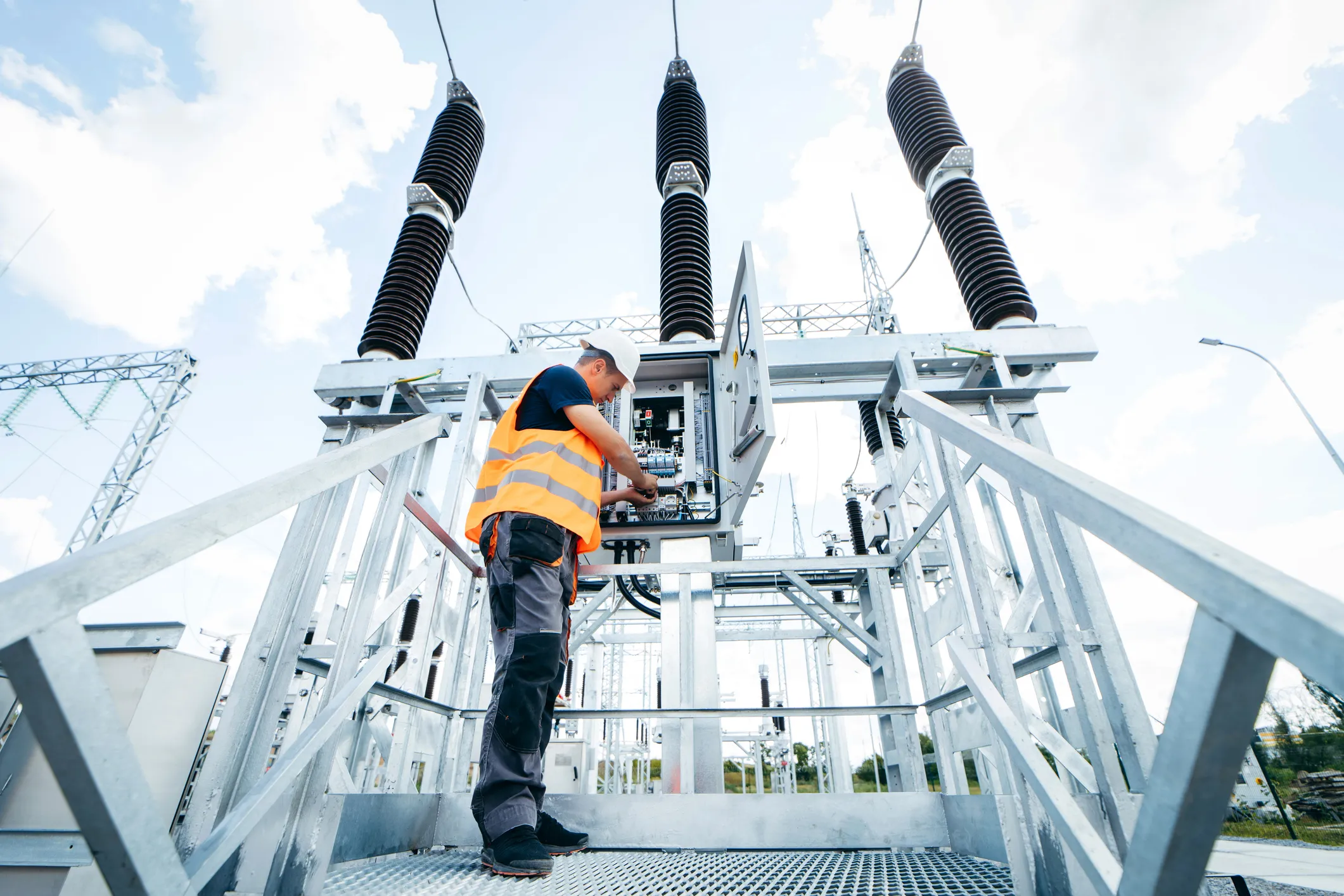
CPA for Industrial Electricians in NC & SC

CPA for Residential Electricians in NC & SC
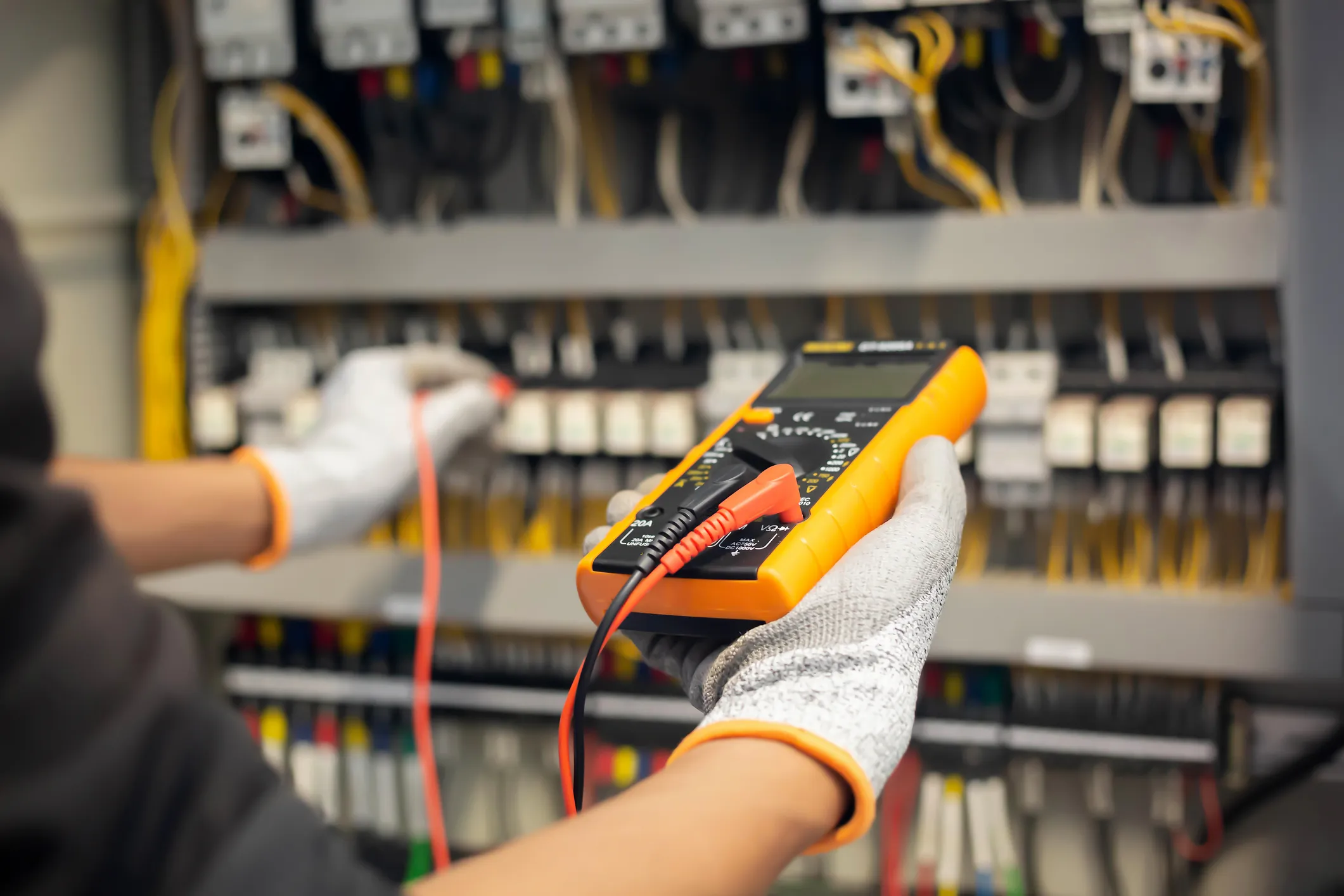
CPA for Commercial Electricians in NC & SC

CPA for Service Electricians in NC & SC
Bringing expert accounting to electrical contractors in the Carolinas - check out our service area!

Looking for answers to common accounting, bookkeeping, and tax questions? Browse our frequently asked questions section to find the information you need.

Businesses can decrease their tax bills by utilizing tax deductions, which are expenses that businesses can subtract from their income, such as rent for office space, equipment purchases, employee salaries and benefits, travel expenses, advertising and marketing expenses, and charitable donations.
By accumulating and tracking these expenses throughout the year, businesses can enhance their deductions and decrease their taxable income.
For instance, if a business made $100,000 but had $20,000 in deductible expenses, their taxable income would reduce to $80,000, reducing their taxes.
It's crucial to note that businesses need to fulfill specific requirements to be eligible for tax deductions and that not every expense is deductible.
Tax credits can be more advantageous than tax deductions since they directly reduce the amount of taxes a business owes.
Tax credits work as a dollar-to-dollar deduction in the tax amount.
For businesses in North Carolina, various tax credits are available if they do specific things, such as employing new workers, investing in sustainable energy, or undertaking research and development.
However, to be eligible for these tax credits, businesses must complete criteria and adhere to specific regulations.
To save money on taxes, businesses can maximize their retirement plan contributions.
Employees may allocate a portion of their earnings to retirement plans, such as 401(k)s or individual retirement accounts (IRAs), which brings down their taxable income.
Likewise, employers can contribute to their staff members' retirement plans, which can be tax-deductible for the business.
By offering retirement plans and contributing to them, businesses can reduce their taxable income, ultimately minimizing the taxes they are liable to pay.
Maintaining accurate inventory records is important for businesses to keep track of the products they have in stock.
It helps them avoid making errors while reporting excess inventory as income, which would result in paying more taxes.
Besides, proper inventory management assists businesses in identifying slow-moving or outdated products.
This knowledge helps them make informed decisions, prevent losses, and stay profitable.
One way that business owners can lower their taxes is by structuring their business as a pass-through entity.
A pass-through entity is a type of business structure where the business income is not taxed at the corporate level, but instead "passes through" to the owners and is reported on their personal income tax returns.
This can result in lower taxes for business owners because the tax rate for individuals may be lower than the tax rate for corporations.
Additionally, pass-through entities may be eligible for certain deductions and credits that are not available to corporations.
However, it's important to note that the specific tax benefits of a pass-through entity will depend on various factors such as the business's income, expenses, and structure.
Starting an electrical contracting business takes more than trade skills - you need a license, an entity, insurance and clean books from day one. In North Carolina, electrical contractors are licensed by the NC State Board of Examiners of Electrical Contractors; in South Carolina, commercial work runs through the SC Contractors Licensing Board. Confirm the license class that matches the size of jobs you plan to bid. Most electricians should form an LLC rather than operate as a sole proprietor - it protects personal assets if a job goes wrong. Get an EIN from the IRS, open a dedicated business bank account, and keep personal and business spending separate. Plan for general liability insurance, workers comp once you hire, and bonding if you bid public or larger commercial work. Finally, set up bookkeeping with job costing from day one - knowing your true cost per job separates profitable shops from busy-but-broke ones. Division 26 CPA helps new electrical contractors across the Carolinas get this right the first time.
Yes - financial forecasting and budgeting are core parts of our fractional CFO service for electrical contractors. We analyze your job-level performance, build a forecast around your pipeline and crew capacity, and set budgets for materials, labor and overhead. You get a weekly scorecard with the KPIs that matter - gross margin per job, unbilled work, and cash on hand - so you can price work with confidence and grow on purpose. Division 26 CPA provides this for electrical contractors across North and South Carolina.
There are a variety of factors you need to consider in order to know the best way to structure your business - your revenue, profit, payroll situation, liability exposure and growth plans all matter. For most profitable electrical contractors, an LLC taxed as an S-Corp is the strongest combination of liability protection and tax savings, but the right answer depends on your numbers.
Schedule a consultation and we can look at your situation and recommend the structure that fits.
If you're an employer, it's important to give certain tax forms to your freelancers or independent contractors.
The most common tax form needed is Form 1099, which provides a record of the total payment made to the contractor in a tax year.
You have to give Form 1099 to any contractor who made $600 or more during the tax year for work they did for your trade or business.
Have a question we didn't cover? Book a call and ask us direct.
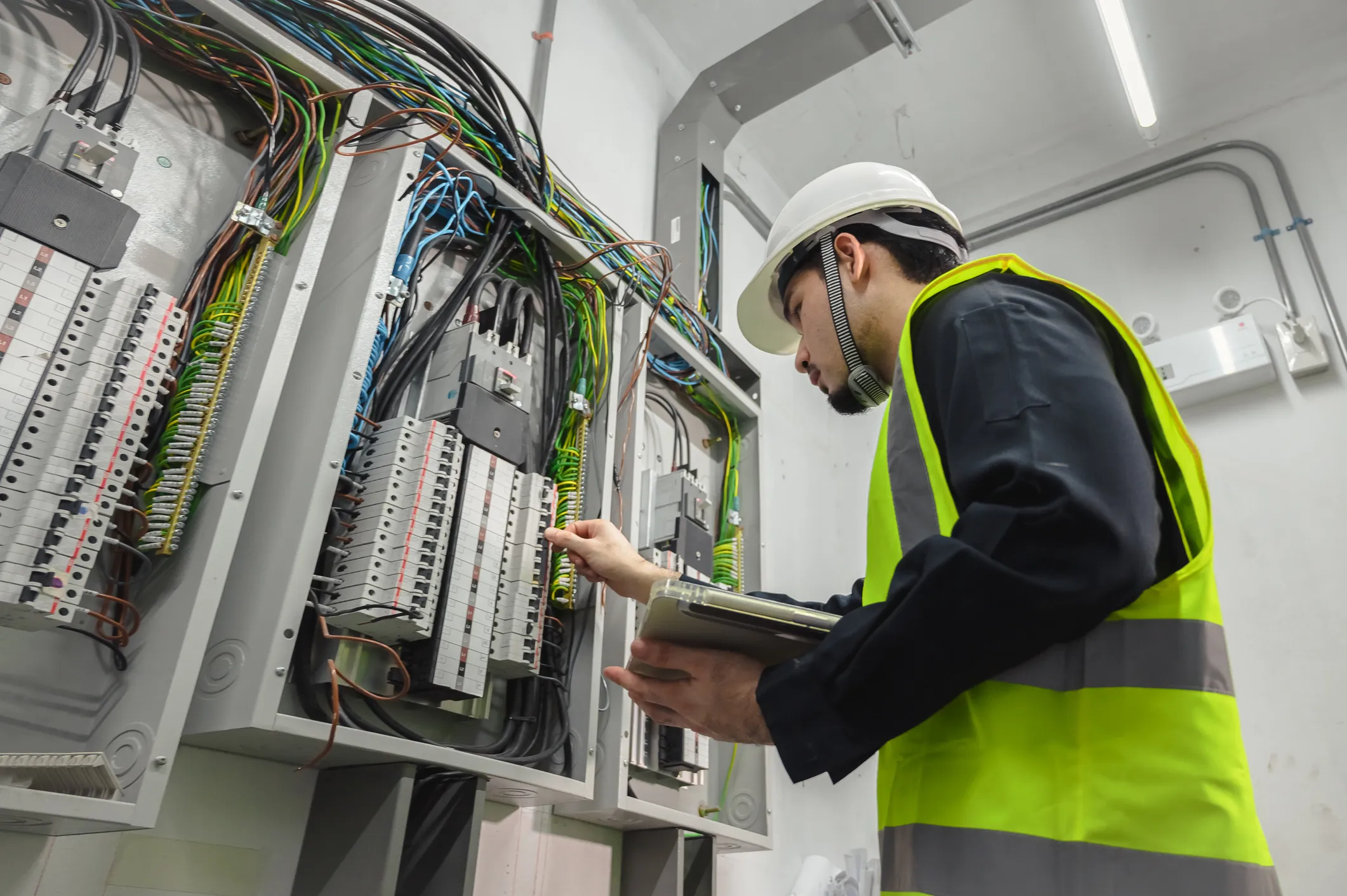
Don't let taxes eat your margin. Book a call and get a plan built for your shop.
Strategies & Insights for Growing Your Business
We use cookies and advertising pixels — Google Analytics, Google Ads, Meta (Facebook) and Apollo — to measure traffic and show our ads. See our Privacy Policy.